No. The tools help you prepare, and the enquiry form records an ordinary website message. Availability, scope, charges and a visit time must be agreed directly with a service provider.
WHEN AN APPLIANCE INTERRUPTS THE EVERYDAY
Make room
for a calmer visit.
A clear note. A little preparation.
A better place to begin.

START WHERE LIFE HAPPENS
Every room has
its own rhythm.
Choose a part of the home for a useful starting point. The aim is to explain what you have noticed and prepare the practical details.
Oven, cooktop and dishwasher
The kitchen
Note which appliance is involved, what you noticed from outside and when it happened. Keep the explanation separate from any guess about the cause.
Open the kitchen notes ↗THE LAUNDRYWhen the usual
When the usual
cycle changes.
Was it before, during or after the programme? A few remembered details can help you describe the interruption without running the appliance again.
Make sense of the laundry notes ↗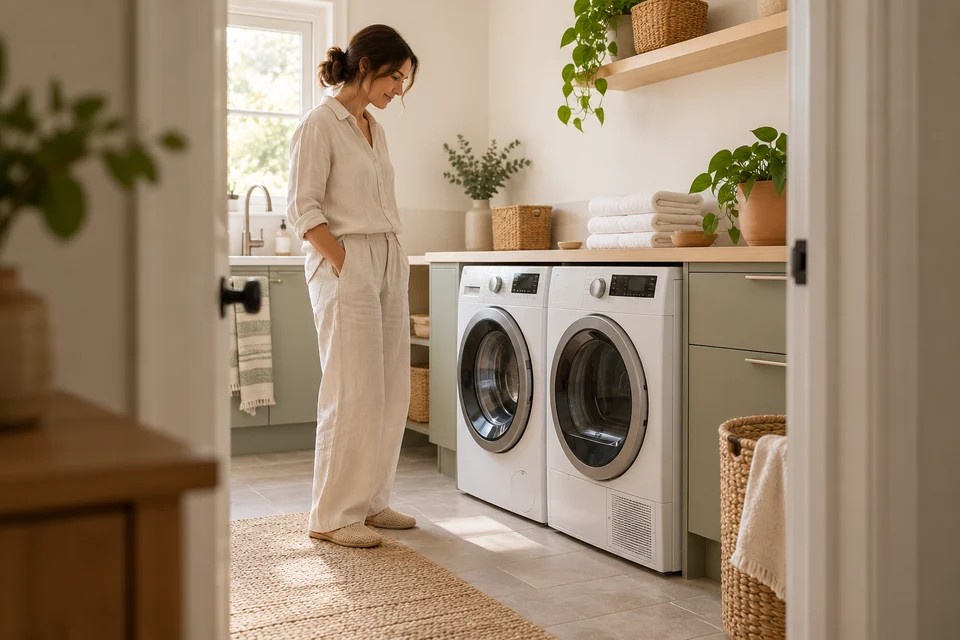
OBSERVEDescribe what happened.
Leave the cause open.
Leave the cause open.
TWO DIFFERENT PARTS OF THE DAY
From making dinner
to clearing away.
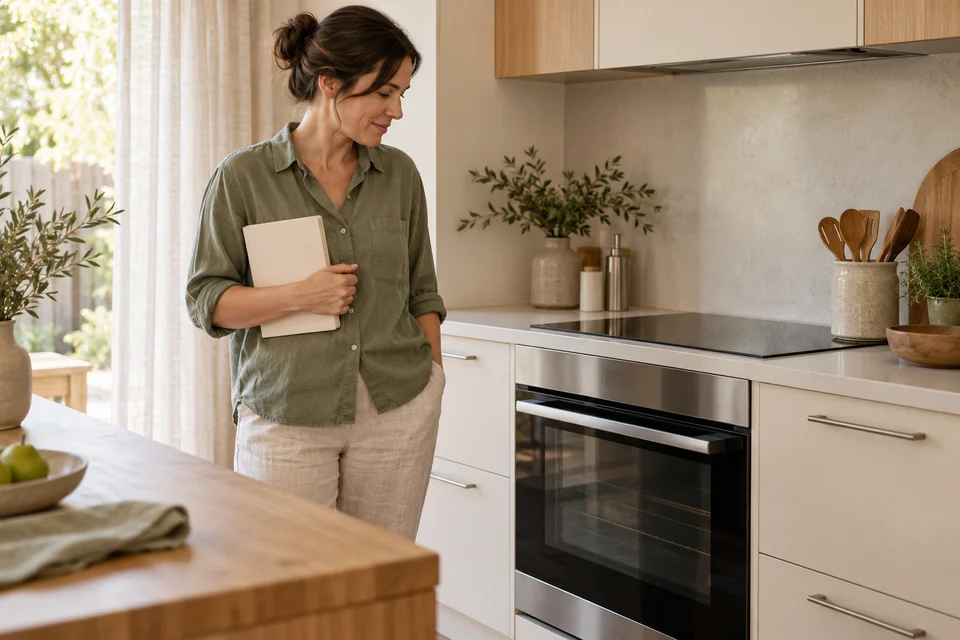
The moment you noticed.
Keep the appliance name, visible message and timing together.
Cooking-appliance notes ↗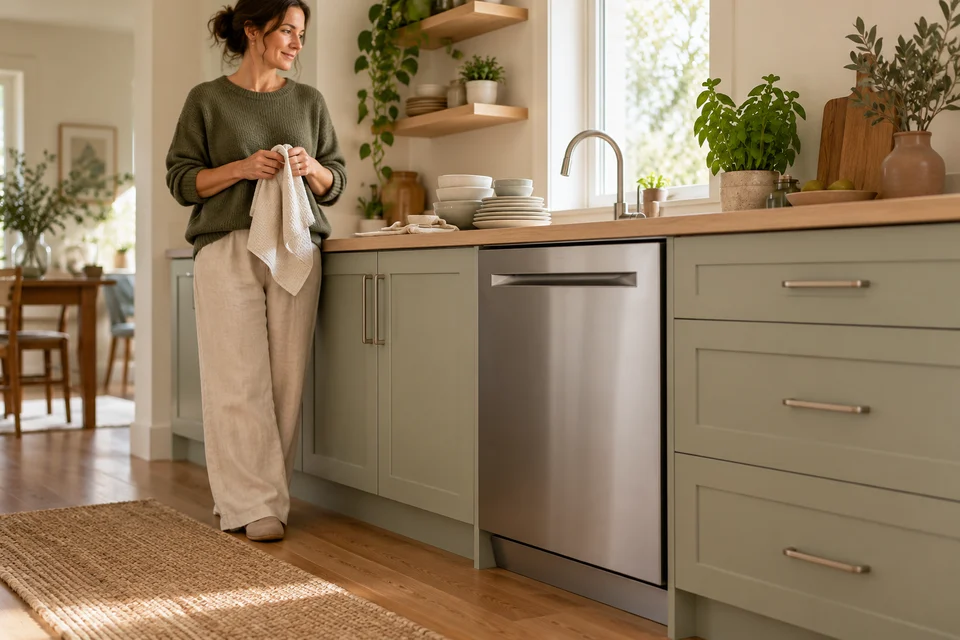
The result you found.
Describe the end of the programme and what was different.
Dishwasher notes ↗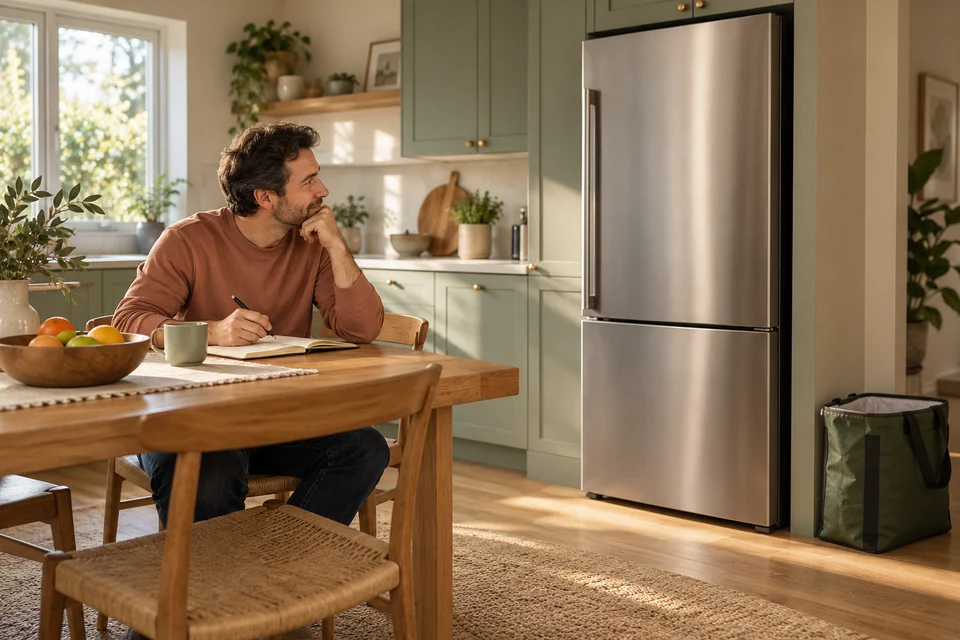
THE QUIET WORK OF KEEPING COOL
A change worth
writing down.
For a fridge or freezer concern, separate the appliance observation from decisions about food. The planning note helps organise a conversation; it cannot establish food safety.
Open the cold-storage page ↗ONE HOME, DIFFERENT ARRANGEMENTS
Who needs
to be in the loop?
Your own appliance
Have the purchase details or model information available if you already have them. Ask the provider to explain scope, charges and who can approve further work.

A GOOD VISIT BEGINS WITH A CLEAR HELLO
The right person.
The agreed time.
A shared understanding.
Once you arrange a visit directly with a provider, confirm who is coming, who will meet them and what has been agreed. The website’s enquiry receipt is separate from that arrangement.
Prepare the arrival details ↗THREE MOMENTS TO THINK ABOUT
A little now.
A little later.
Less to hold in your head.
01OF THREE
Before you contact
Put the basics in one place.
Write the appliance type, a short observation and when you first noticed it. Use paperwork or an easily visible label for model details; leave the appliance in place.

A SMALL PLACE FOR THE USEFUL DETAILS
Keep it
together.
Your observation, a room or floor, access arrangements and the questions you want to ask. Build a personal note and save it as a text file.
Make your visit note The draft stays in this page until you download it.FROM THE FRONT DOOR TO THE APPLIANCE
A little
breathing
space.
Think through the route in advance. Discuss stairs, shared entrances, communication needs or other practical arrangements directly with the provider.
Build a four-part access brief ↗

WHEN SOMEONE ELSE IS HELPING
A shared note.
A shared picture.
Agree what can be shared and who can make decisions. A short note can help the adult who will be there explain the same observation you recorded.

MAKE SPACE FOR THE REST OF YOUR DAY
One useful note.
A little less juggling.
Preparation does not promise a repair outcome. It gives the next conversation a clearer starting point.
Put your note together ↗THE PRACTICAL QUESTIONS
Before
you begin.
Do not run an appliance you suspect is faulty just to reproduce a problem. Describe what you already observed and seek appropriate professional advice.
Use paperwork or a label you can already read safely from outside. Leave heavy appliances in place and do not remove panels to find information.
The planning tools keep entries only in the current page. Download the note if you want to keep it. Reloading, leaving or using Clear removes the draft.
This website is not monitored for emergency response. For a life-threatening or time-critical emergency requiring police, fire or ambulance in Australia, call Triple Zero (000).
A QUESTION ABOUT PREPARING
Let’s put it
into words.
Ask about using a tool, share a website problem or leave an ordinary enquiry. A saved message returns a reference.
A clear next step
How enquiry details are handled ↗This form does not provide diagnosis, emergency response, a quote or a confirmed appointment.